
Most people think crocodiles and alligators are the same. They’re not—and the difference between crocodile and alligator is obvious once you see it. At first glance, they look almost identical, but once you know what to look for, telling them apart is actually pretty easy.
Difference Between Alligator and Crocodile
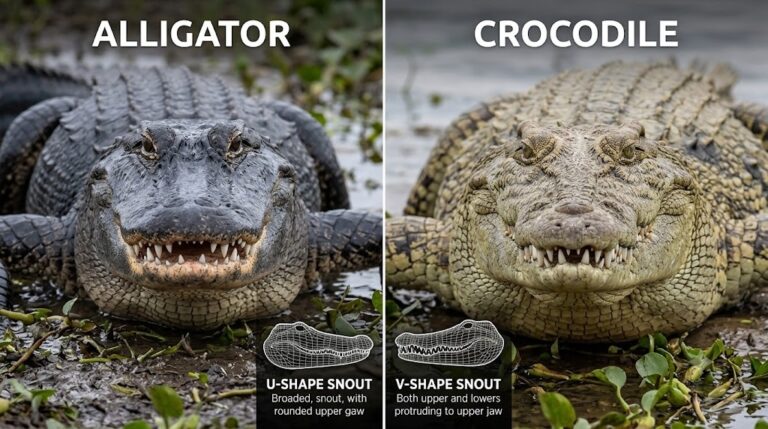
The difference between crocodile and alligator is actually easy to spot once you know what to look for. These reptiles may look similar at first, but a few key features clearly separate them.
- Snout shape: Crocodiles have a narrow, V-shaped snout, while alligators have a wider, U-shaped one
- Teeth visibility: Crocodile teeth are visible when the mouth is closed, but alligator teeth are mostly hidden
- Habitat: Crocodiles can live in saltwater, while alligators prefer freshwater
- Size & strength: Crocodiles are generally larger, heavier, and more aggressive than alligators
- Speed: Both are fast in short bursts, but crocodiles are usually quicker in water, while alligators are surprisingly fast on land for short distances
- Lifespan: Crocodiles tend to live longer, often reaching 70–100 years, while alligators usually live around 30–50 years in the wild
- Skin & armor: Crocodiles have tougher, more heavily armored skin with more visible osteoderms, while alligator skin is slightly less rugged
- Diet: Crocodiles are more aggressive hunters and will take larger prey, while alligators are more opportunistic and tend to eat smaller animals
- Evolution: Both come from ancient archosaurs, but they split into different species millions of years ago
Once you notice these differences, telling them apart in real life becomes much easier—even from a distance.
Crocodile vs Alligator Size and Strength
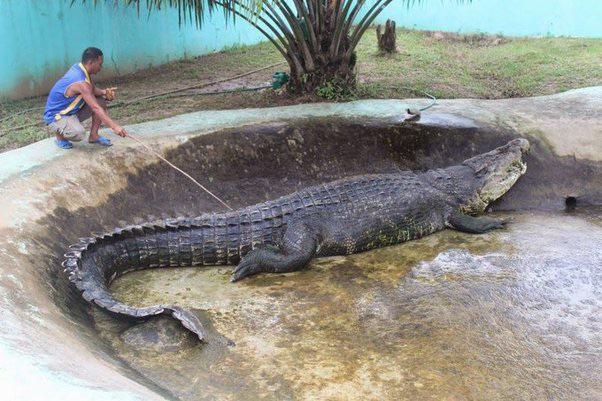
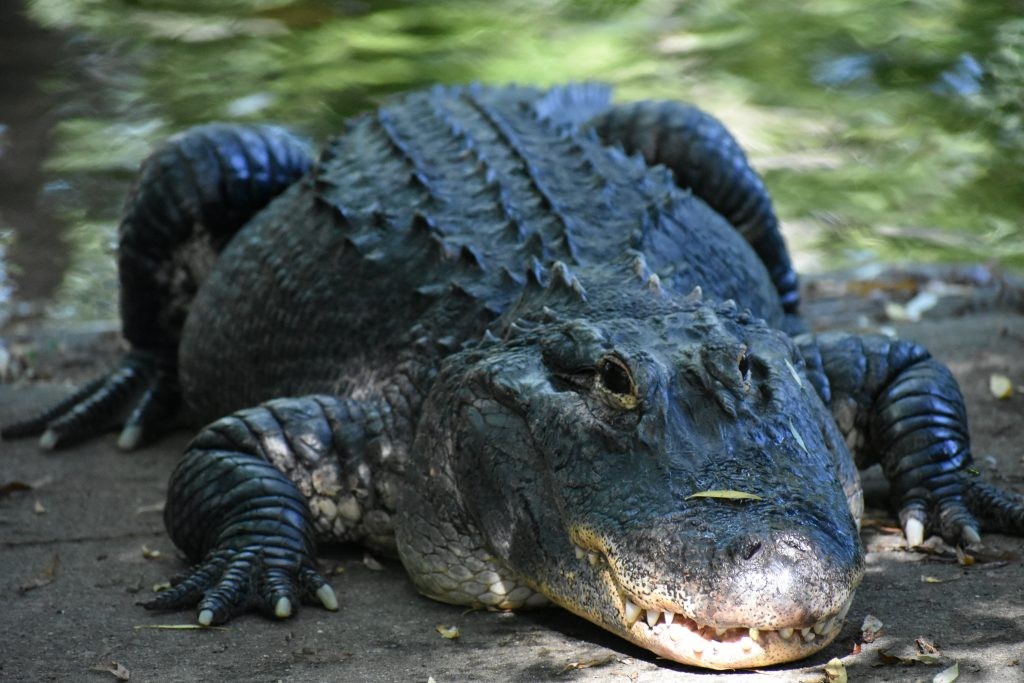
Crocodiles are just built differently. They’re usually bigger, heavier, and way more intimidating up close.
A perfect example is Lolong. He was captured in Bunawan, Agusan del Sur, Philippines, in September 2011 after being suspected of attacks in the area.
Lolong measured 20 feet 3 inches (6.17 meters), making him the largest crocodile ever held in captivity and officially recognized by Guinness World Records.
He later died on February 10, 2013, while being kept at the Bunawan Eco Park. Cause of death was reported as stress and pneumonia—basically the toll of captivity on such a massive wild predator.
Some crocodiles can grow past that mark in the wild, especially saltwater species. That’s a level most alligators simply don’t reach.
On the alligator side, the American alligator is the biggest species. Large males can hit around 13–15 feet, which is still massive—but clearly smaller compared to top crocodiles.
When it comes to strength, both are insanely powerful, but crocodiles take it a step further. Their bite force is among the strongest in the animal world, giving them the edge in raw power.
Where Do Crocodiles and Alligators Live?
This is another big part of the difference between crocodile and alligator that people don’t always realize.
Crocodiles are found all over the world, especially in Africa, Australia, and parts of Asia. They can handle saltwater, so you’ll find them in rivers, lakes, and even coastal areas.
Alligators are way more limited. Most of them live in the southeastern United States, with a small population in China. They stick to freshwater like swamps, lakes, and rivers.
Behavior Differences Between Crocodiles and Alligators
This one matters more than people think.
Crocodiles are generally more aggressive and less tolerant. If something gets too close, they’re more likely to react.
Alligators are still dangerous—don’t get it twisted—but they tend to avoid humans more and aren’t as quick to attack.
That said, both are wild animals. Either one can mess you up if you’re careless.
Crocodile vs Alligator: Which Is More Dangerous?
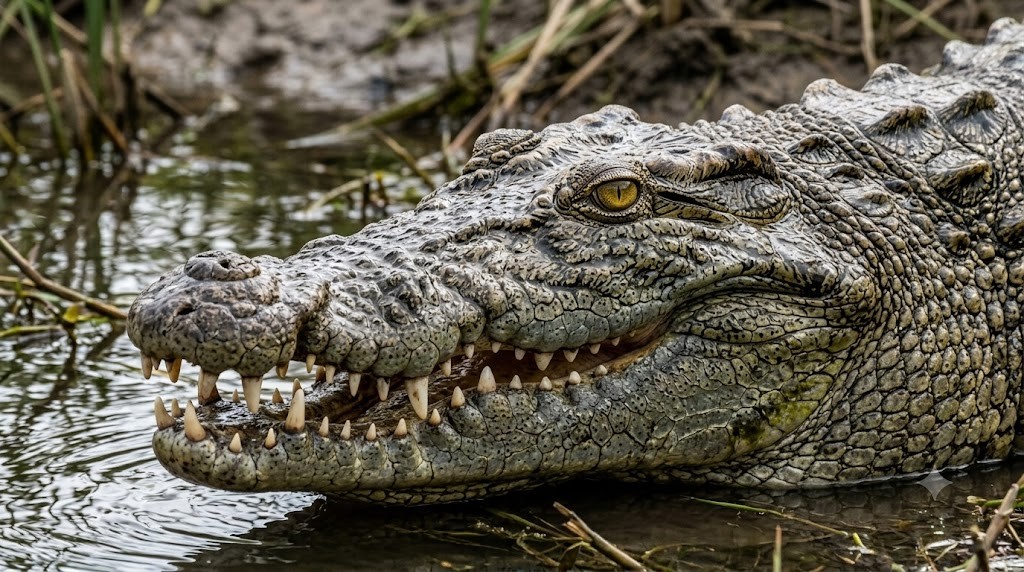
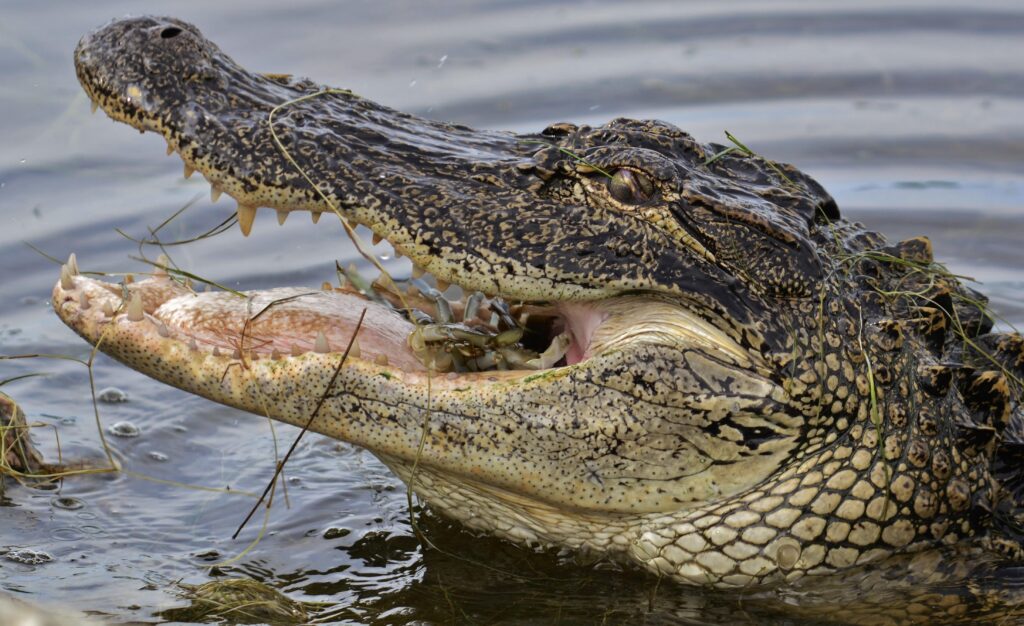
If we’re being real, crocodiles are more dangerous overall.
They’re bigger, more aggressive, and responsible for more attacks globally. Especially species like the saltwater crocodile—they don’t play around.
Alligator attacks do happen, but they’re much rarer. Most of the time, they’ll back off before things get serious.
Still, this isn’t a “safe vs dangerous” situation. Both are on the “don’t go near it” list.
Are Crocodiles and Alligators Related to Dinosaurs?
Both crocodiles and alligators are often called “living fossils,” but they’re not actually dinosaurs. They belong to a group called archosaurs—the same family that includes dinosaurs and modern birds.
They split from their ancient relatives over 200 million years ago, which is why they still look so primitive today. While dinosaurs went extinct, crocodilians survived and evolved into the species we see now.
Final Thoughts
At the end of the day, the difference between crocodile and alligator isn’t complicated—it just looks that way at first.
Crocodiles have a narrow snout, visible teeth, and can live in saltwater, while alligators have a wider snout, hidden teeth, and stick to freshwater in places like the U.S. and China.
Once you know those basics, you can spot the difference almost instantly. Most people just never take the time to notice.
Now you will.
If you’re into real animal differences and wild facts like this, you’ll find a lot more over at Too Lazy Facts.


I always mix up crocodiles and alligators. What’s the easiest way to tell them apart in the wild?