Most people assume there are a lot of different types of bears out there. There aren’t. There are only 8 types of bears in the world. That’s it—and what makes it interesting is how different they all are. Some live on Arctic ice, others in dense forests, and one survives by sucking up insects. Let’s go through them.
1. American Black Bear (Ursus americanus)
The American black bear is the most common in North America—and the one people are most likely to encounter.
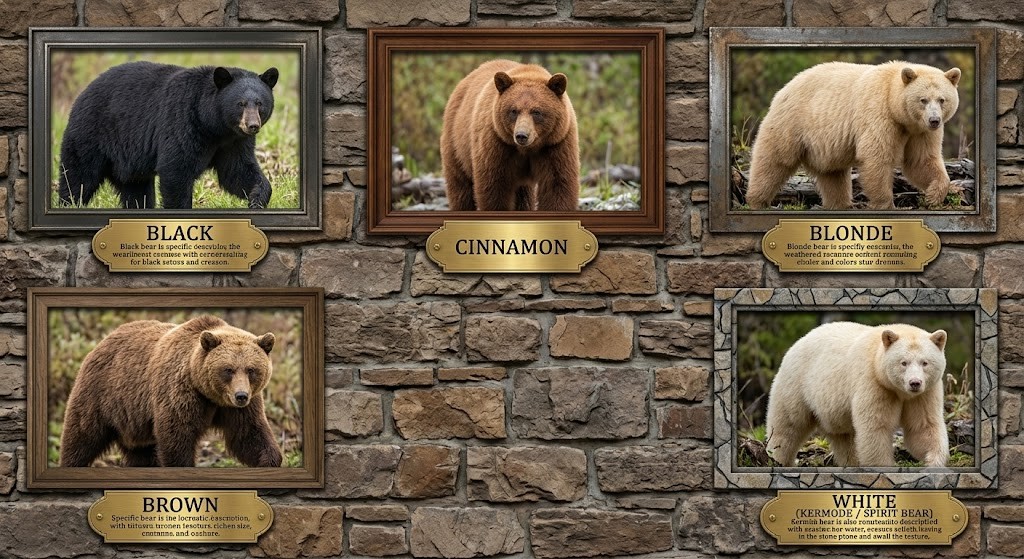
Despite the name, they’re not always black. Their fur can range from deep black to brown, cinnamon, and even blonde. In rare cases, you’ll even find white-coated individuals, often referred to as “spirit bears.”
What really sets them apart is their adaptability. These bears can live in dense forests, mountainous regions, and even areas surprisingly close to human settlements. Unlike other bears that require more specific conditions, black bears adjust—and that’s a big reason they’ve remained so widespread.
They’re also opportunistic eaters. Their diet includes berries, nuts, insects, and occasionally small animals, depending on what’s available. This flexibility makes survival easier, especially in changing environments.
While they’re generally less aggressive than larger species like brown bears, they’re still powerful wild animals and should never be underestimated.
2. Brown Bear or Grizzly Bear (Ursus arctos)
This is the bear people fear the most—and for good reason.
Brown bears are incredibly powerful. They can run faster than most people expect, have massive claws built for digging and fighting, and will defend themselves aggressively if they feel threatened.
But not all brown bears are the same.
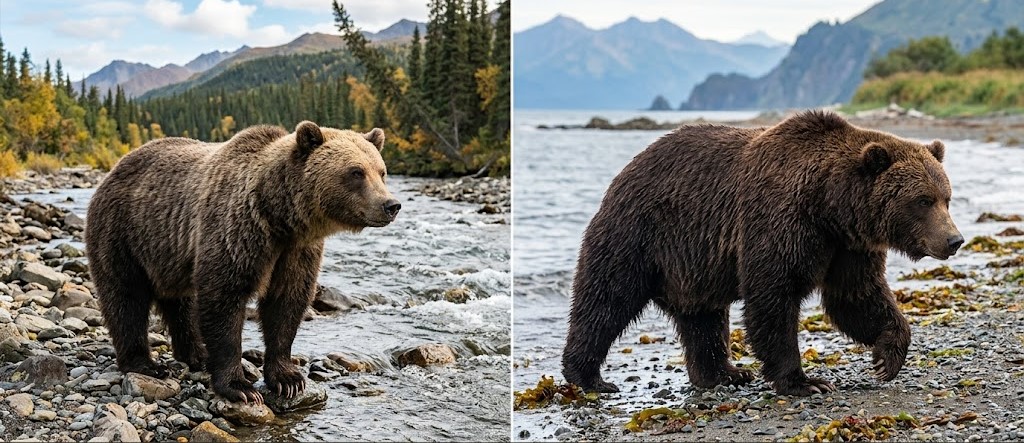
Some, like Kodiak bears, grow to enormous sizes thanks to rich food sources like salmon. Others, often called grizzlies in inland regions, are smaller and leaner, built more for survival in harsher environments.
Same species—completely different builds depending on where they live.
One of their defining features is the shoulder hump, a mass of muscle that gives them extra strength for digging and overpowering prey. It’s one of the easiest ways to tell them apart from black bears.
Their diet is just as flexible. They’ll eat berries, roots, fish, and large animals when available. In places like Alaska, you’ll often see them catching salmon during spawning season—a key reason some populations grow so large.
Despite their reputation, most attacks happen because of surprise encounters or when a bear feels its cubs are in danger. They’re not out hunting humans—but they are not something you ever take lightly.
3. Polar Bear (Ursus maritimus)
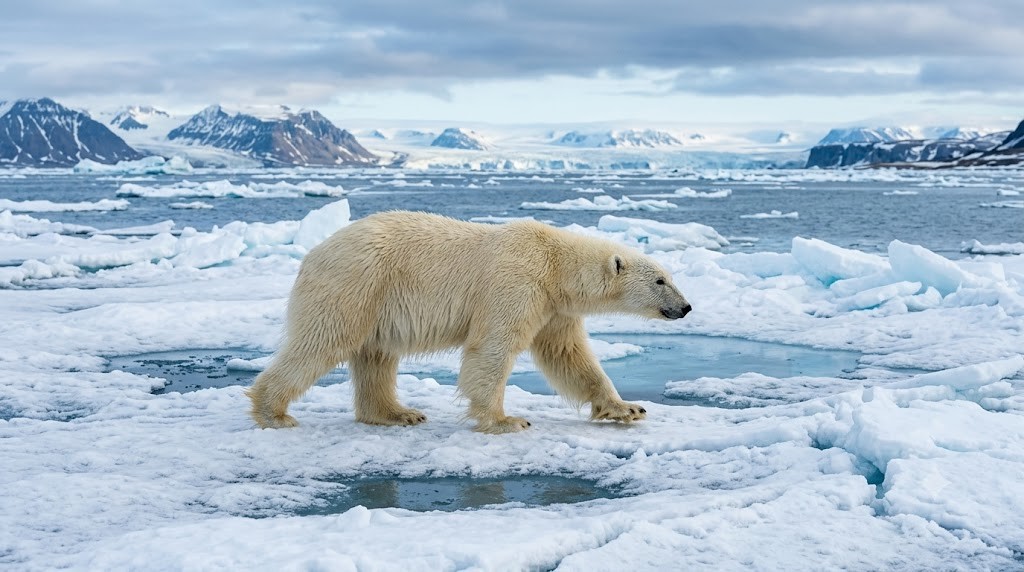
The polar bear is the largest bear species in the world—and the most specialized.
Unlike other bears, polar bears are built almost entirely for life on ice. They live in the Arctic and spend most of their time on sea ice, using it as a platform to hunt seals, which make up the majority of their diet.
They’re powerful swimmers too. It’s not unusual for a polar bear to swim long distances between ice sheets, sometimes for hours at a time.
At first glance, their white fur looks like simple camouflage—and it is—but there’s more to it. Underneath that fur is black skin that helps absorb heat, along with a thick layer of body fat that protects them from extreme cold.
Everything about them is designed for survival in one of the harshest environments on Earth.
But that specialization comes with a downside. Polar bears depend heavily on sea ice, and without it, hunting becomes much harder. That’s why they’re often seen as one of the most vulnerable bear species when it comes to environmental change.
They’re not just big—they’re highly adapted predators built for a very specific world.
4. Giant Panda (Ailuropoda melanoleuca)
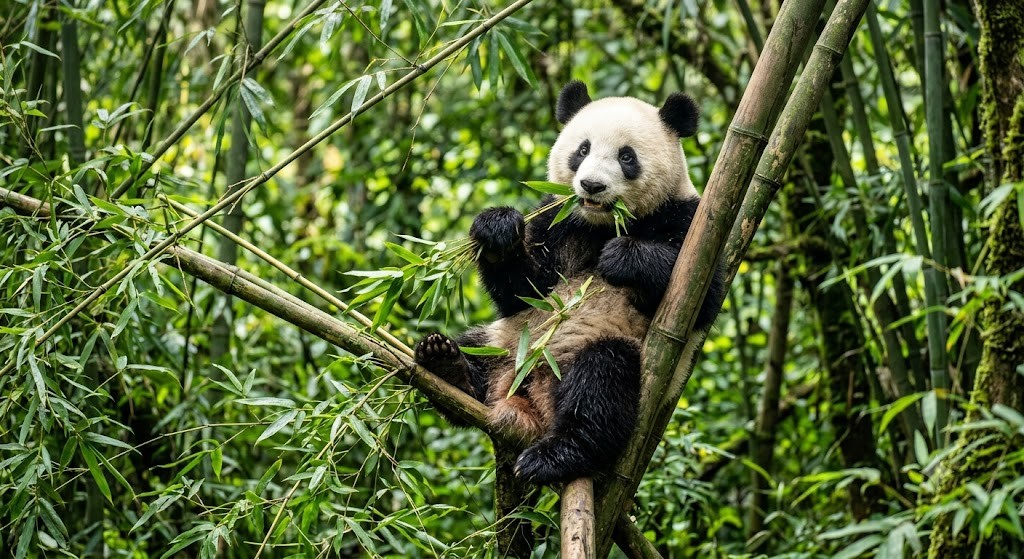
The giant panda is probably the most recognizable bear in the world—and also the most unusual.
Unlike other bears, pandas don’t rely on meat. Their diet is made up almost entirely of bamboo, which is strange for an animal that technically has the digestive system of a carnivore.
Because bamboo isn’t very nutritious, pandas spend most of their day eating—sometimes up to 12 hours—just to get enough energy.
They’re native to the mountain forests of central China, where thick bamboo growth supports their lifestyle. And while they might look slow and relaxed, they’re still strong animals capable of defending themselves if needed.
One unique feature is their “thumb.” It’s not a true thumb, but an extended wrist bone that helps them grip bamboo more easily while eating.
Compared to other bears, pandas are less aggressive and more solitary, spending most of their time alone except during mating season.
They might look soft and harmless—but they’re still bears, just highly specialized for a completely different way of life.
5. Asiatic Black Bear or Moon Bear (Ursus thibetanus)
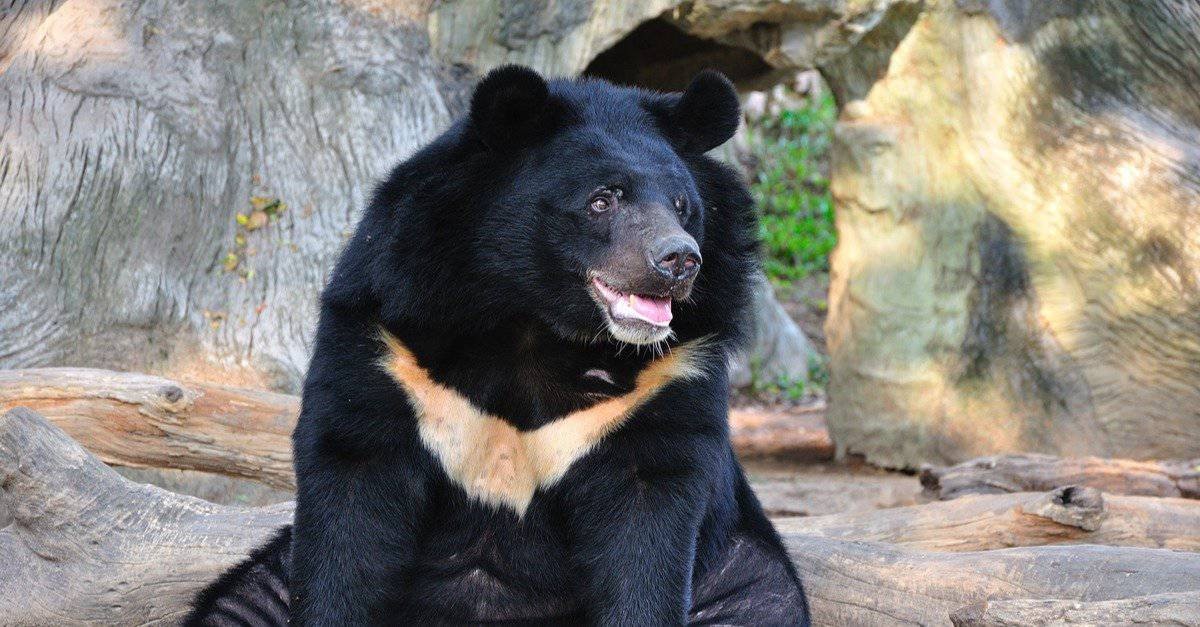
The Asiatic black bear, often called the “moon bear,” gets its nickname from the distinct white crescent-shaped mark on its chest.
At a glance, they look similar to American black bears—but they’re generally smaller and more aggressive, especially when surprised or threatened.
They’re found across parts of Asia, from forests in the Himalayas to regions in East Asia. Unlike some bears that stick to the ground, moon bears are excellent climbers. They spend a lot of time in trees, where they rest, feed, and stay away from danger.
Their diet is mixed and depends on the season—fruits, nuts, insects, and small animals all make up part of what they eat. Like other bears, they adapt based on what’s available.
One thing that stands out is their behavior. Asiatic black bears tend to be more defensive, which leads to more human encounters in certain areas compared to other species.
They’re not as widely talked about as pandas or polar bears, but they’re one of the more distinct bear species—especially because of that unmistakable chest marking.
6. Sloth Bear (Melursus ursinus)
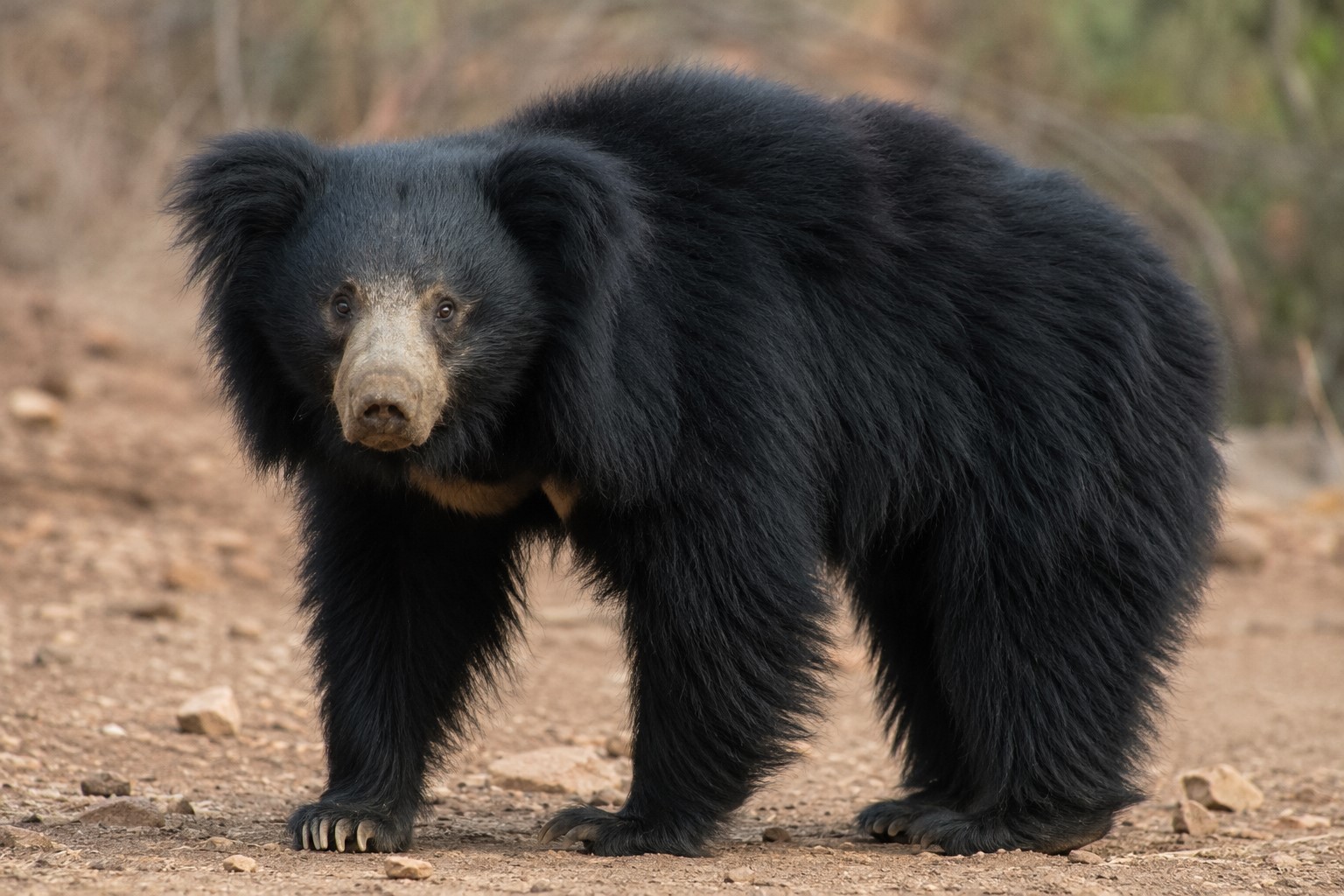
The sloth bear is one of the strangest—and most misunderstood—bear species.
At first glance, it looks a bit unkempt, with long, shaggy fur and a loose, almost awkward build. But everything about it is designed for a very specific diet.
Unlike most bears, sloth bears primarily eat insects—especially termites and ants. They use their long claws to tear open mounds, then suck the insects up using powerful breaths. They’re so specialized at this that they can even close their nostrils to keep dust out while feeding.
That feeding style alone sets them apart from every other bear.
They’re mostly found in India and nearby regions, living in dry forests and grasslands rather than cold or mountainous environments.
Behavior-wise, they’re known to be unpredictable. Sloth bears have a reputation for being more aggressive than expected, especially when startled. Many encounters with humans happen suddenly, which often leads to defensive attacks.
They may not be the biggest or most famous bears, but in terms of behavior and feeding strategy, they’re easily one of the most unique.
7. Sun Bear (Helarctos malayanus)
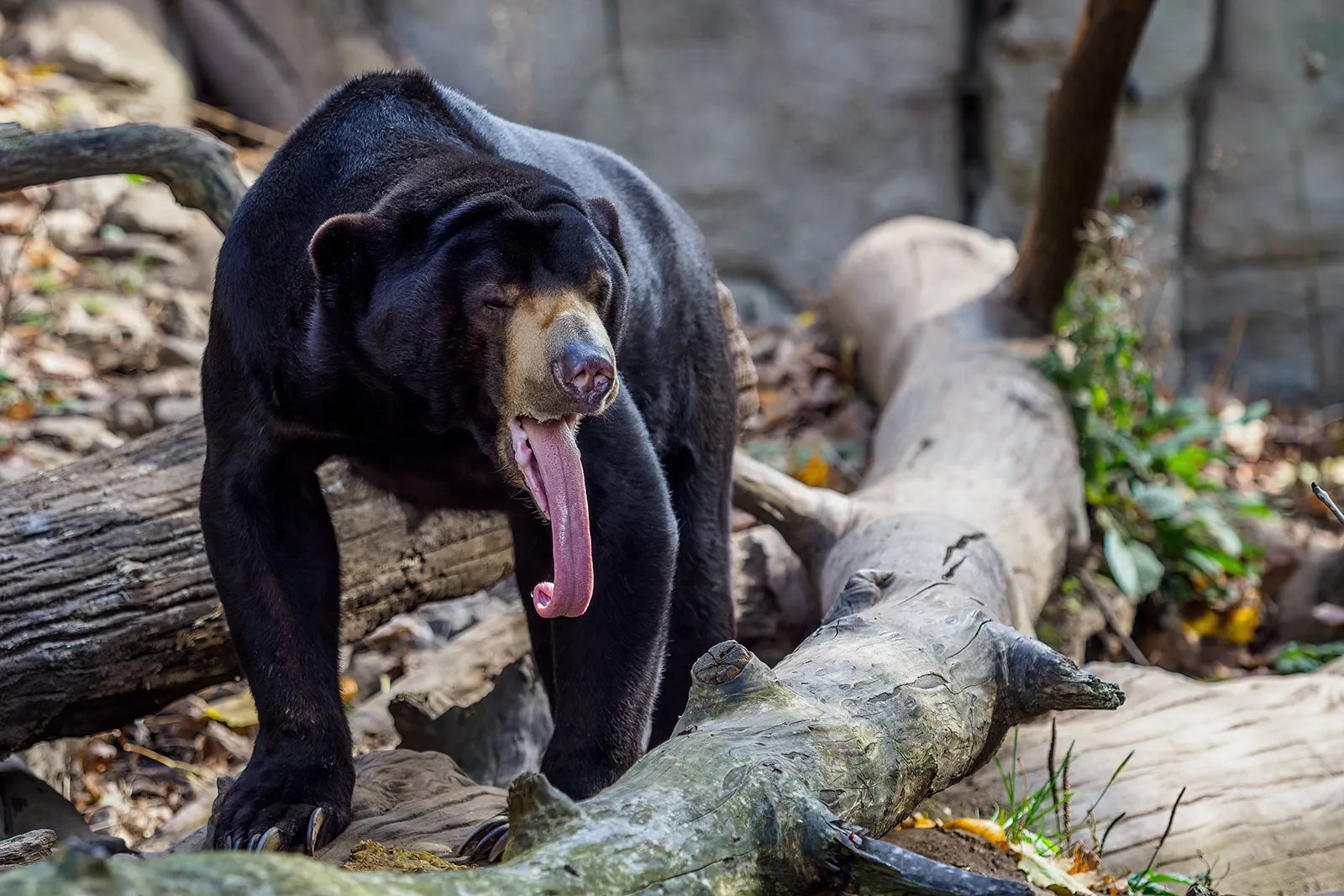
The sun bear is the smallest bear species—but don’t let the size fool you.
They’re compact, strong, and built for life in tropical forests across Southeast Asia. Like the moon bear, they have a chest marking, but instead of a crescent shape, it’s more irregular—often described as a patch or “sun” marking.
One of their most notable features is their tongue. It can grow up to 20–25 cm long, which they use to extract honey and insects from tight spaces. That’s why they’re sometimes called “honey bears.”
They’re also excellent climbers. Sun bears spend a lot of time in trees, where they sleep, rest, and search for food. Their curved claws and strong limbs make this easy.
Diet-wise, they’re opportunistic—feeding on fruits, insects, honey, and small animals depending on what’s available.
They’re rarely seen in the wild, mostly because they live in dense forests and tend to avoid humans. But like other bears, they can be dangerous if cornered.
Small, elusive, and highly adapted to tropical life—the sun bear is very different from the cold-climate giants most people picture.
8. Andean Bear or Spectacled Bear (Tremarctos ornatus)
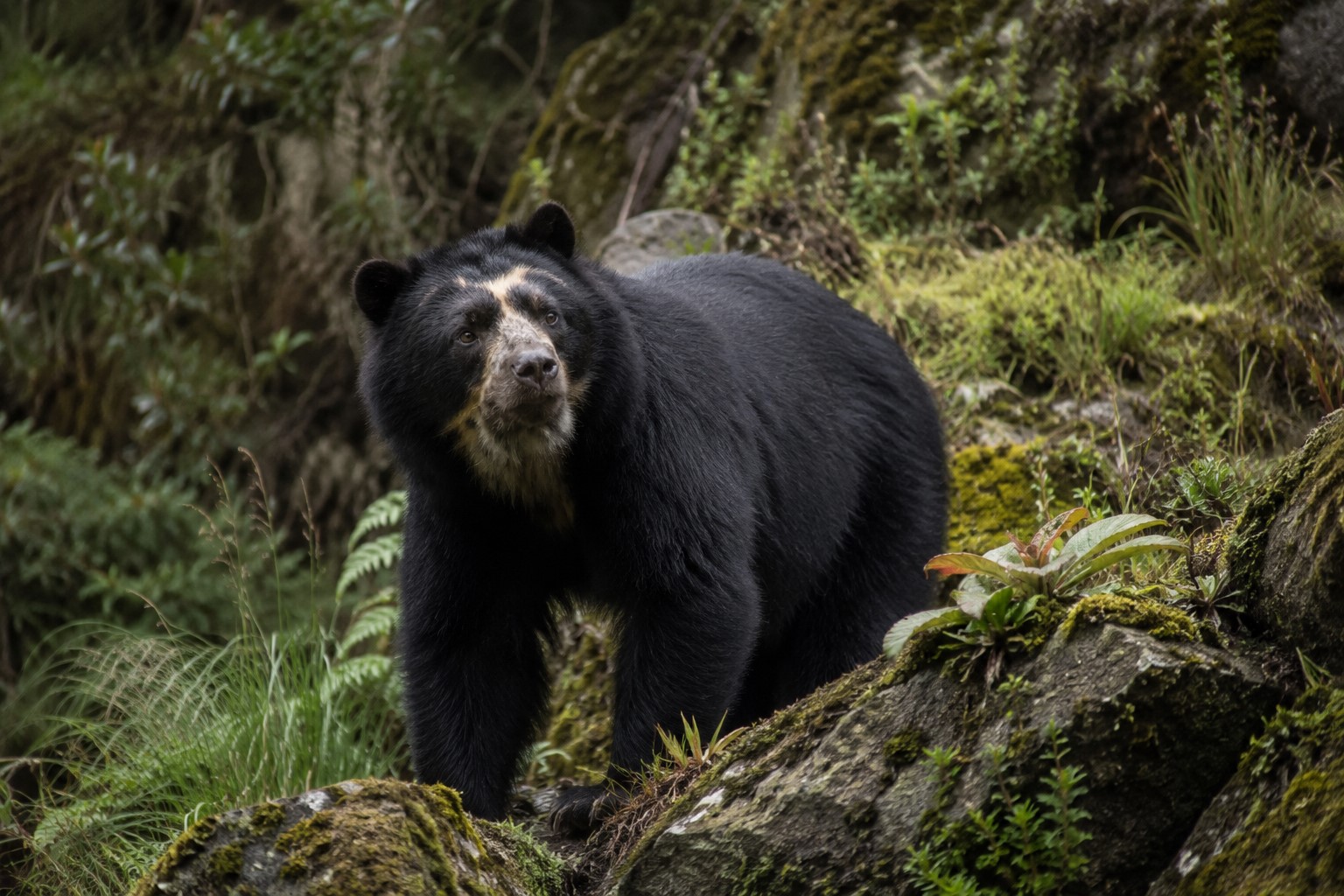
The Andean bear—also known as the spectacled bear—is the only bear species native to South America.
It gets its name from the light-colored markings around its eyes, which can look like a pair of glasses. No two bears have the same pattern, making each one unique.
They live along the Andes Mountains, moving through cloud forests, high-altitude grasslands, and dense jungle areas. Out of all the bears, they’re one of the most plant-focused. Their diet is mostly made up of fruits, leaves, and other vegetation, though they’ll occasionally eat small animals.
They’re also strong climbers. Andean bears spend a lot of time in trees, where they build platforms to rest and feed—something not commonly seen in other bear species.
Compared to larger bears, they’re more shy and tend to avoid humans. That’s one reason they’re not as well-known, despite being the only bear on an entire continent.
They might not be the biggest or most aggressive—but they’re a key part of South America’s ecosystems, and a fitting final entry to complete all 8 bear species.
Final Thoughts
There may only be 8 types of bears in the world, but the differences between them are bigger than most people expect. From freezing Arctic ice to tropical forests, each species has evolved in its own way to survive.
- Each bear species lives in a completely different environment
- Their diets range from meat to bamboo to insects
- Some are powerful predators, while others are more passive and solitary
- They represent different survival strategies, not just variations
- Several species are affected by habitat loss and environmental change
Bears aren’t all the same—and that’s exactly what makes them worth learning about.
For more interesting facts about animals and wildlife, check out Too Lazy Facts.