
People hear the term Blue Moon all the time, especially in phrases like “once in a blue moon,” but most don’t actually know what it means.
So let’s break it down clearly.
A Blue Moon is not about color, mystery, or a special cosmic event. It’s actually a timing issue between the Moon’s cycle and our calendar. And once you understand that, it stops sounding magical and starts making sense.
What Is a Blue Moon?
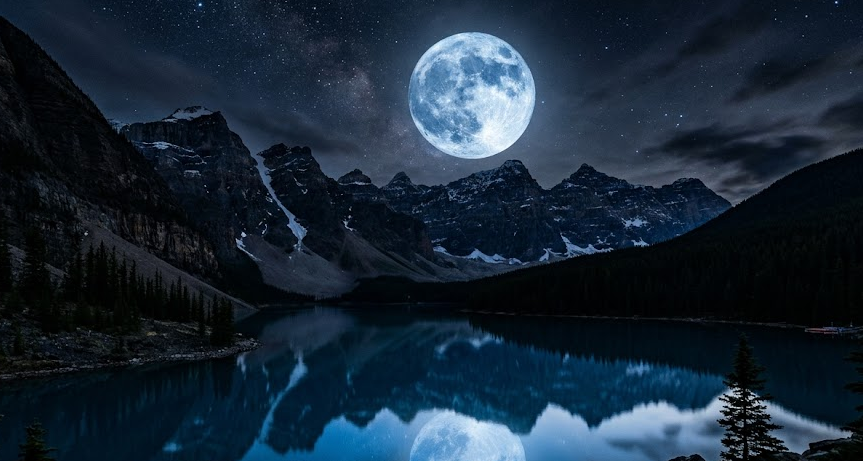
A Blue Moon is the second full moon that happens within the same calendar month. The Moon takes about 29.5 days to complete one full cycle. Most months are longer than that, so usually you only get one full moon per month. But sometimes the timing lines up just right, and a second full moon appears before the month ends.
That second one is what we call a Blue Moon. So when people ask what is a Blue Moon, the simplest answer is this: it’s an extra full moon caused by calendar timing, not a change in the Moon itself.
What Is the Difference Between a Blue Moon and a Blood Moon?
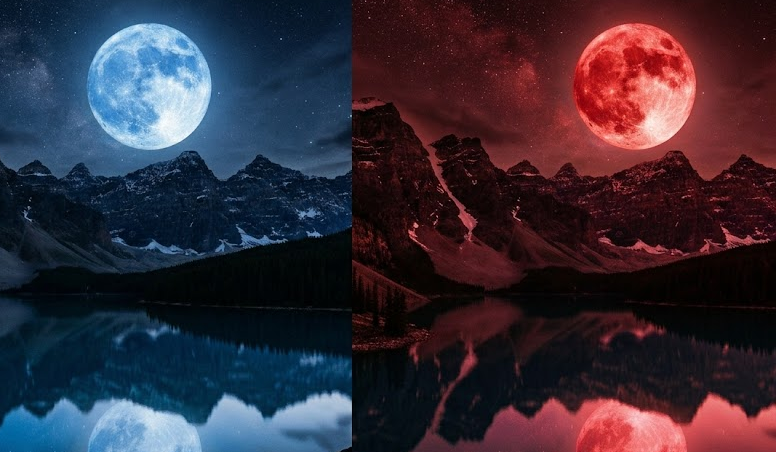
A Blue Moon and a Blood Moon are often confused because both sound rare, but they come from completely different causes in astronomy.
A Blue Moon is not related to eclipses or any color change. It is a calendar-based event that happens when two full moons occur in the same month, or when a season has four full moons, and the third one is labeled as a Blue Moon. It is simply a naming system based on timing, not a physical change in the Moon.
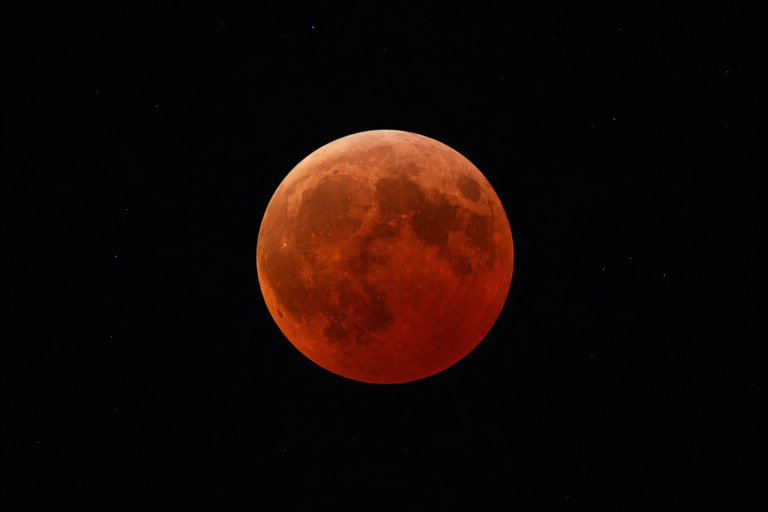
A Blood Moon is completely different. It happens during a total lunar eclipse when Earth moves between the Sun and the Moon. Sunlight passes through Earth’s atmosphere, which filters out blue light and leaves the Moon appearing red in the sky.
This is why a Blue Moon is something defined by dates on a calendar, while a Blood Moon is something you can actually see happen in the sky during an eclipse.
Why Does a Blue Moon Happen?
To understand why does a Blue Moon happen, you need to look at how lunar cycles work. The Moon doesn’t follow human months. It follows its own cycle of about 29.5 days. Our months, however, are usually 30 or 31 days long. That small mismatch creates a slow shift over time. Eventually, that shift causes two full moons to land in the same month. That’s the “Blue Moon” event. Nothing unusual is happening to the Moon itself. It’s just a scheduling overlap between nature and our calendar system.
How Often Is a Blue Moon?
If you’re wondering How Often Is a Blue Moon, on average, it occurs about once every 2.5 to 3 years. That makes it rare enough to feel special, but not rare enough to be a once-in-a-lifetime event. So if you miss one, don’t worry. Another one will come around within a few years.
For example, the next Blue Moon is expected on May 31, 2026, when a second full moon appears in the same calendar month due to this natural timing overlap.
What Is Blue Moon Ice Cream?

This is where things get confusing for a lot of people. What is Blue Moon ice cream? It’s a completely separate thing from the lunar term.
Blue Moon ice cream is a bright, neon-colored dessert that’s popular in parts of the United States. The flavor is hard to pin down because it varies by brand, but it’s often described as sweet, fruity, and slightly marshmallow-like or citrusy, depending on who makes it.
So when people ask what flavor is Blue Moon Ice Cream, they’re usually talking about ice cream, not astronomy. And no, it has nothing to do with the Moon in the sky.
Why People Care About It
Even though a Blue Moon is just a timing coincidence, it still gets attention. There’s something about seeing two full moons in one month that feels unusual. It breaks the normal rhythm people expect from the night sky. And anything that breaks a pattern tends to stick in memory, even if the science behind it is simple. That’s really all a Blue Moon is. Not rare magic. Just perfect timing between the Moon and our calendar.
Final Thoughts
A Blue Moon might sound rare or even mysterious, but it’s really just a timing overlap between the Moon’s cycle and our calendar. Nothing changes about the Moon itself—no color shift, no special event—just an extra full moon appearing in the same month due to how the dates line up. The next one is expected on May 31, 2026.
That’s why people still talk about it. It breaks the usual rhythm of the night sky, even if the science behind it is simple. And just to clear up confusion, Blue Moon can also mean a type of ice cream, which has nothing to do with astronomy.
So, are you ready the next time you look up and catch a second full moon, or will it still catch you off guard?
For more space facts and the latest on human exploration, visit Too Lazy Facts.



One Comment